Technology Solutions for Mission-Critical Power

Proven power generation, storage, and infrastructure technologies integrated into a comprehensive platform.

Gas Turbines

Gas Turbines: The Crown Jewel of Advanced Manufacturing

Gas turbines are widely regarded as one of the most advanced achievements in the global equipment manufacturing industry. They are not only the heart of modern power-generation systems, but also critical core power equipment used in ships, aircraft, and industrial energy applications.

As an energy conversion device, a gas turbine converts the chemical energy of fuel into kinetic energy, which can then be further transformed into electrical and thermal energy. This makes gas turbines highly valuable for applications that require reliable, efficient, and flexible power generation.

The three core components of a gas turbine are the compressor, combustion chamber, and turbine. Together, these components compress air, mix it with fuel for combustion, and use the resulting high-temperature, high-pressure gas to drive power output.

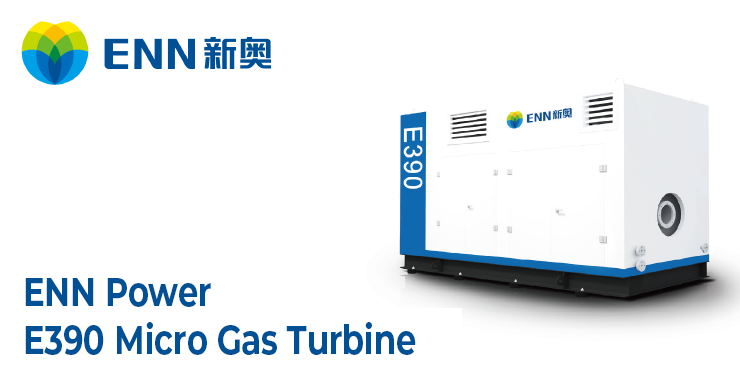
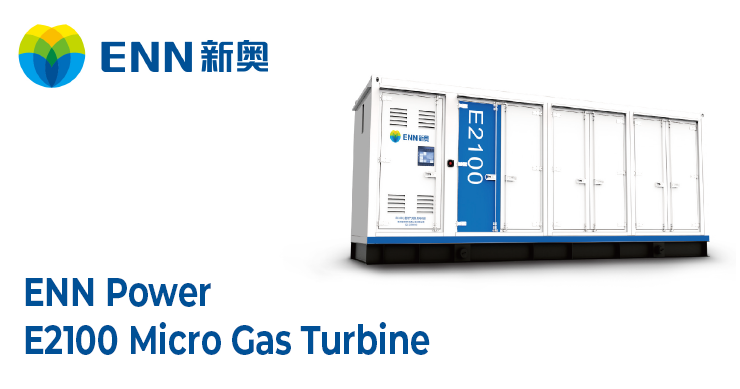
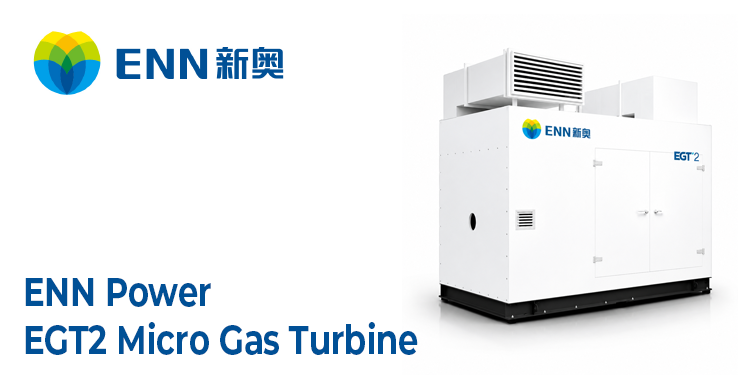
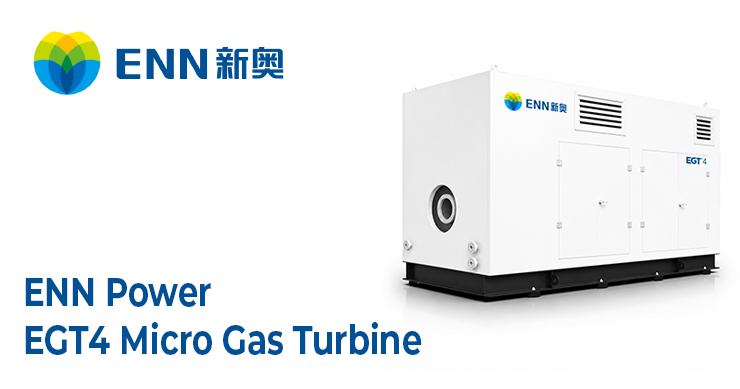
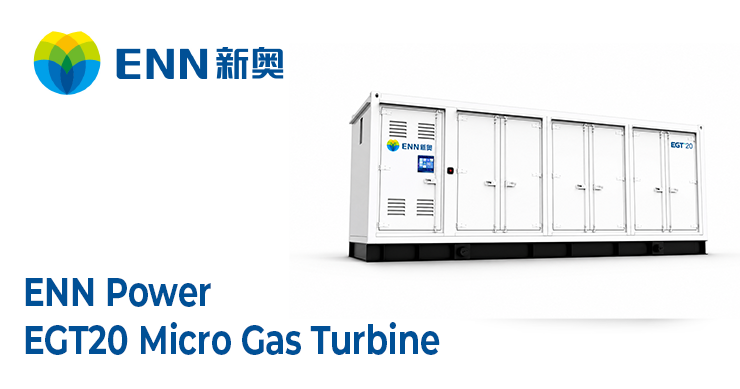
A micro gas turbine, also known as a microturbine, refers to a gas turbine with a power output of less than 1 megawatt. Microturbines are compact, efficient, and suitable for distributed energy systems, industrial facilities, data centers, and other applications requiring dependable on-site power.

Email

info@aienergycampus.com

Service Coverage

North America including US, Canada, Mexico, and Caribbean

Response Time

We aim to respond within 5 business days

Characteristics of Micro and Small Gas Turbines

Independent Core Technologies

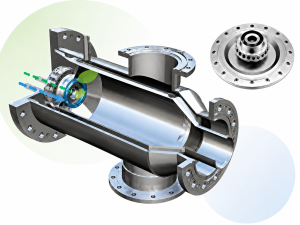
Low-Nitrogen and Low-Carbon Combustion Technology

  • Strong Fuel Adaptability: Capable of using gaseous, liquid, and dual fuels, with a combustion efficiency of over 99.9%.
  • Premixed Combustion: For traditional fossil fuels such as natural gas, nitrogen oxide (NOₓ) emissions are lower than 25 ppmv.
  • It can utilize medium- and low-calorific value gases such as oil-associated gas, chemical tail gas, metallurgical tail gas, and biomass gas.
  • It can also leverage green energy sources like hydrogen and ammonia to achieve zero-carbon combustion.
AEC Turbine 02

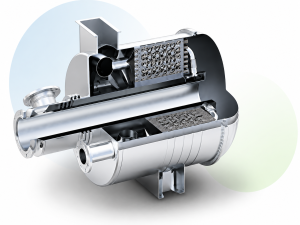
Dynamic Regenerative Adjustable Technology

  • The exhaust gas temperature is continuously adjustable between 270℃ and 650℃, enabling flexible adjustment of the heat-to-power ratio to adapt to changes in heat demand under different operating conditions.
AEC Exhause

Remote Monitoring and Predictive Maintenance Technology

  • Multi-terminal Access: Real-time monitoring of gas turbine operating status, alarms, and diagnostic reports via web and APP terminals.
  • Advanced Diagnostics: Real-time evaluation of thermal performance, structural vibration, operating status, and life prediction, with an abnormal diagnosis accuracy of 90%.
  • Remote Troubleshooting: Remote and rapid retrieval of high-resolution data and logs to quickly locate and resolve faults.
  • Customized Customer Reports: Periodic release of comprehensive reports covering operation, alarms, diagnostics, and reliability.
AEC Monitor

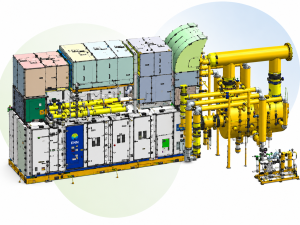
Modular System Integration Technology

  • Standardized Modules and Interfaces: The gas turbine system is divided into core modules such as air intake, fuel, combustion, electrical, power output, and skid-mounted units. Unified standards for mechanical, electrical, fluid, and control interfaces are established, with supporting flexible transition interfaces to achieve high compatibility and rapid replacement between modules.
  • Scenario-Adaptable Modules: Applications in scenarios such as offshore platforms, high/low temperature oilfields, medium-low calorific value fuels, and variable loads are supported. The air intake, combustion, power output, and skid-mounted unit modules are designed with enhanced features to meet requirements for strong environmental adaptability and operation under complex boundary conditions.
  • Customer Customization: Sub-system customization can be provided according to customer needs to achieve rapid integration and user-friendly operation & maintenance.
AEC Modular

Features and Advantages

AEC Features 01

Low-Carbon and Environmentally Friendly

Oilfield vent gas can be used, and exhaust emissions comply with environmental protection standards.

Carbon emissions are reduced by more than 15% compared with traditional energy supply methods.

AEC Features 02

Energy-Saving and High-Efficiency

Power generation efficiency is higher, with the efficiency of regenerative cycle units reaching 30.4%.

The comprehensive energy efficiency of the system can reach over 80%.

AEC Features 03

Good Economic Efficiency

Low manufacturing cost per kilowatt.

Better investment economy.

AEC Features 04

Forward R&D and Independent Control

100% localization of core components

Flexible adjustment of heat-to-power ratio to adapt to heat demand changes under different operating conditions.

AEC Features 05

Customized Development for Multiple Fuels

Wide fuel adaptability, capable of using various low-calorific-value waste gases.

Customized development based on customer needs.

AEC Features 06

Mature and Stable, Convenient After-Sales Service

Cumulative stable operation exceeding 180,000 hours.

Commercial application verification across multiple industries and scenarios.

Intelligent control and remote monitoring; timely service response for worry-free after-sales support.

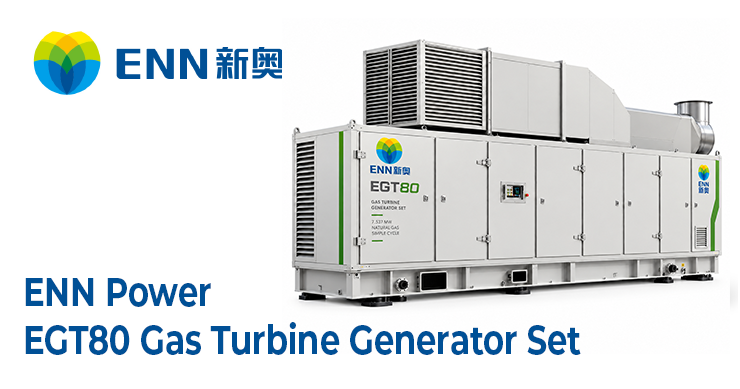
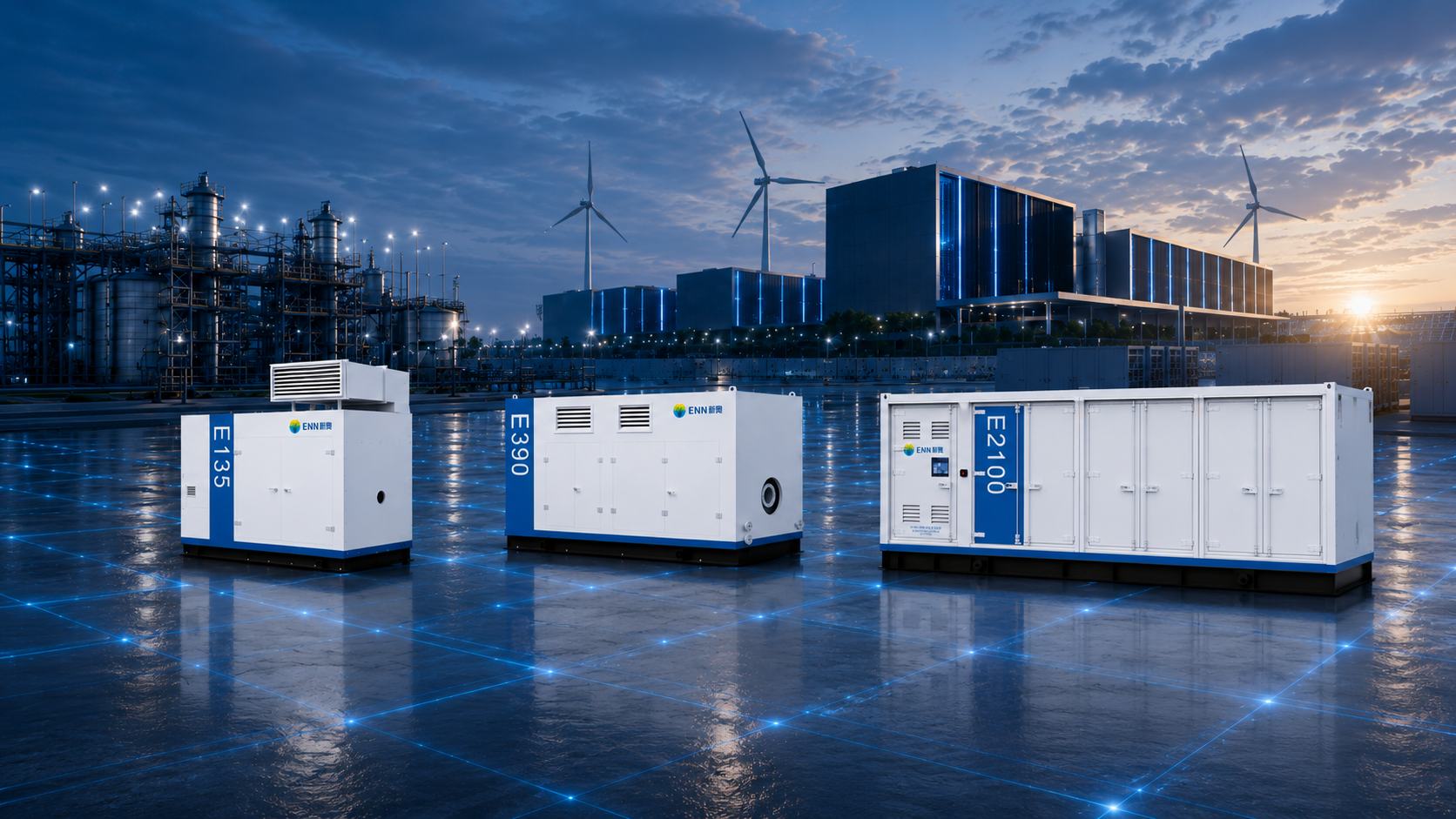
Micro and Small Gas Turbine Series Products

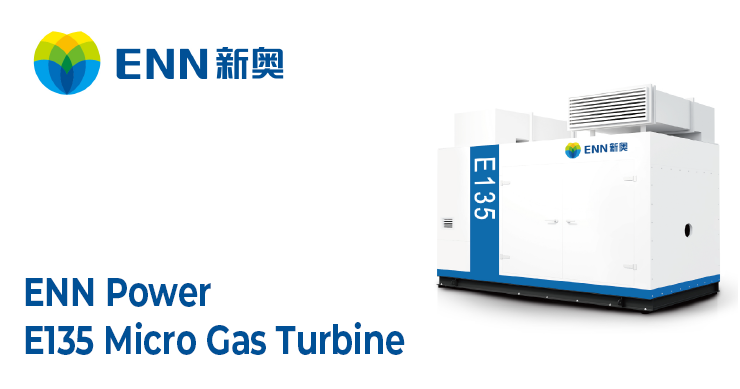
The core adopts a single-stage centrifugal compressor, a two-stage axial turbine, and sliding bearings, while the generator adopts a conventional type.

The core adopts a single-stage centrifugal compressor, a two-stage axial turbine, and sliding bearings, while the generator adopts a conventional type.

The core adopts a single-stage centrifugal compressor, a two-stage axial turbine, and sliding bearings, while the generator adopts a conventional type.