High Efficiency Baseload Power: A Tuha Oilfield Gas Turbine Case Study
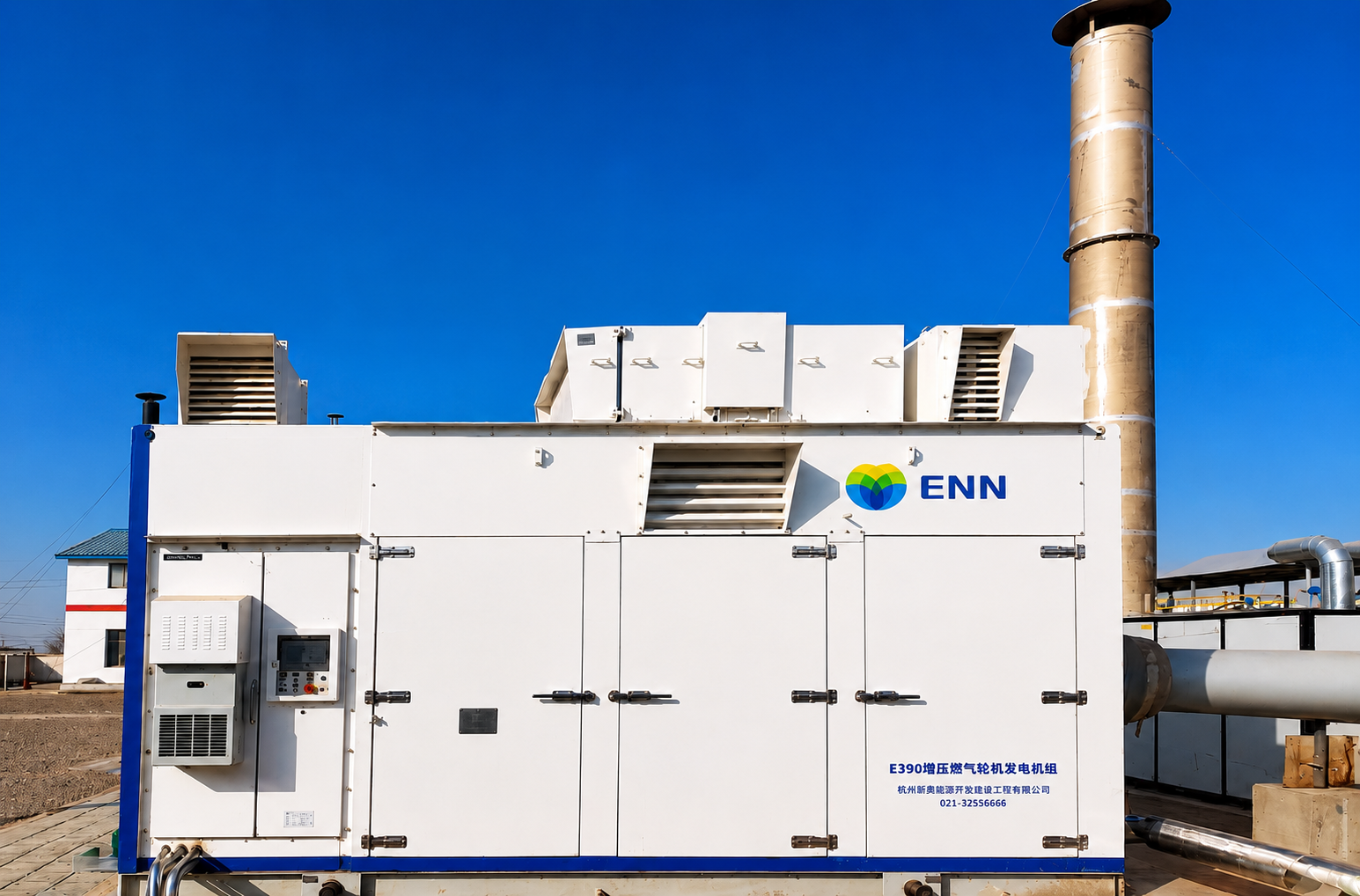
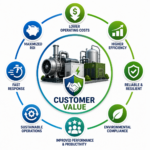
The Tuha Oilfield Project converts low-value oilfield vent gas into useful onsite electricity and heat, replacing traditional electric boilers and reducing gas flaring. By creating a reliable behind-the-meter energy supply, the project improves energy efficiency, lowers operating costs, reduces emissions, and supports cleaner, more resilient industrial power for oilfield operations.
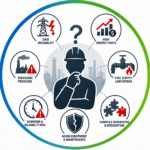
Vent gas diluted with CO₂ creates unstable methane concentrations ranging from 20% to 80%, making it difficult for traditional gas engines to combust reliably
Zero-Flaring Mandates and High Energy OPEX
Operators faced strict zero-flaring environmental mandates while also managing high electricity costs for oil station pumping and heating operations
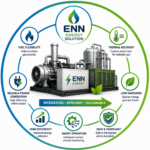
Advanced combustion technology enables stable, high-efficiency operation using variable low-BTU gas streams, turning difficult industrial fuel sources into reliable onsite power
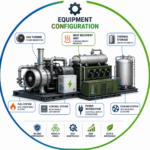
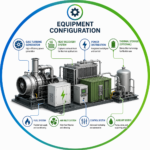
Behind-the-Meter CHP Engineering
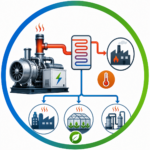
The integrated CHP system captures turbine exhaust heat to produce process hot water, replacing outdated boiler systems while improving efficiency, reliability, and energy utilization
This project shows how fuel-flexible turbine systems can help AI campuses bypass utility grid delays by using local gas sources for independent onsite power. With CCHP integration, recovered exhaust heat can drive lithium-bromide absorption chillers, supporting data center cooling while preserving electrical capacity for compute workloads.