Gas Turbine CHP Project
Quan 241 Station
Huabei Oilfield

Resilient behind-the-meter baseload power, improves energy reliability, and helps minimize operational disruptions caused by maintenance downtime.

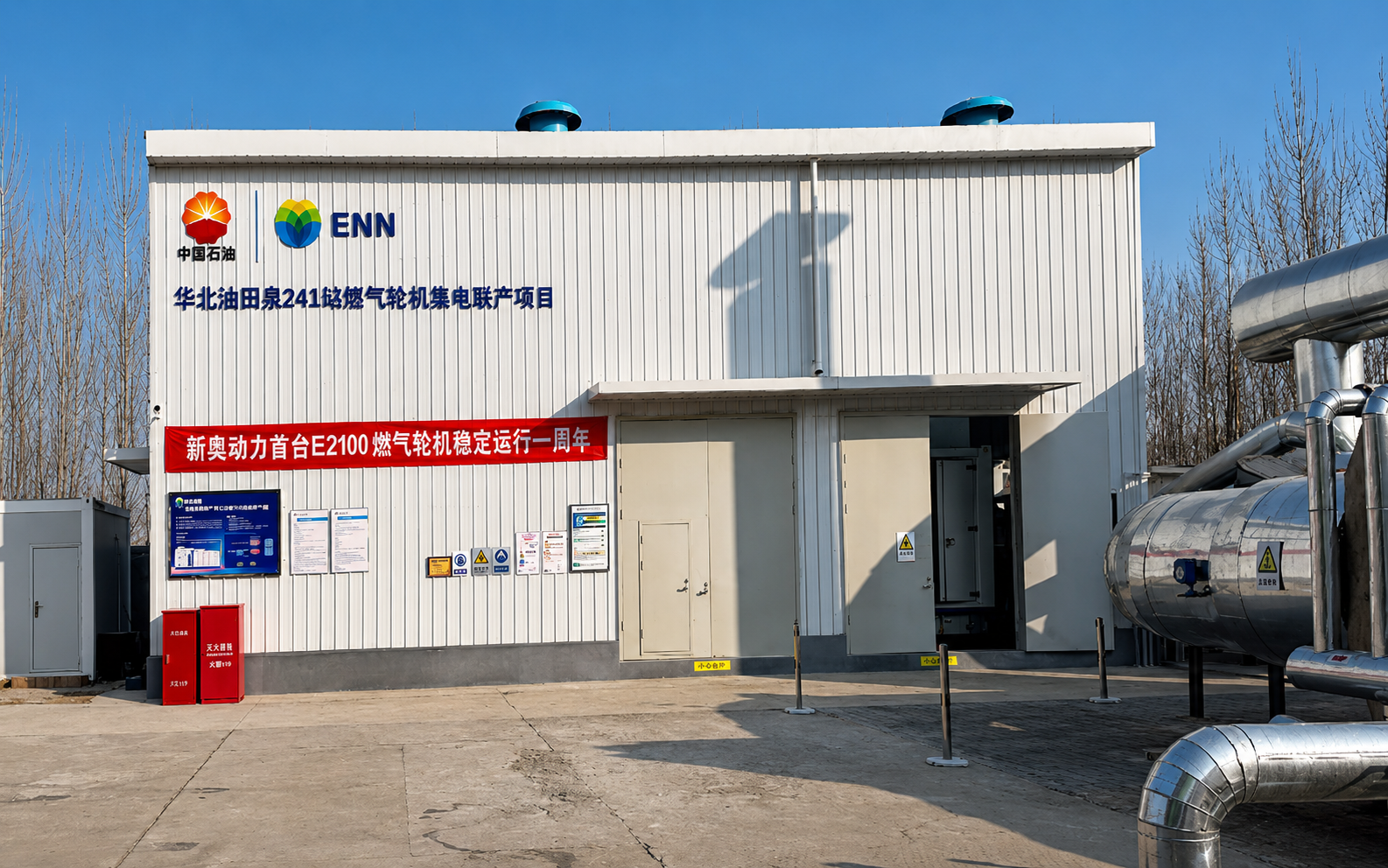
Quan 241 Station
Huabei Oilfield

Gas Turbine CHP Project

Deployment: February 2022

Delivery of a robust distributed combined heat and power (CHP) system at Quan 241 Station, Langfang, Hebei

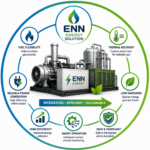
Fuel Source Surplus Station Gas

The system utilizes local surplus fuel gas that was previously underutilized or vented

Aging Boiler Inefficiency

The facility struggled with high emissions and heavy maintenance requirement of outdated heat boilers

Mandatory Operational Downtime

Traditional bailers required annual inspections, resulting in significant and costly system downtime.

Micro-Turbine Integration

Capturing surplus gas to drive high-reliability micro-turbines for clean base-load power

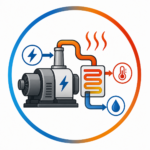
Cascaded Energy Recovery

High-temperature flue gas is repurposed through heat exchanger to provide continuous crude oil heating

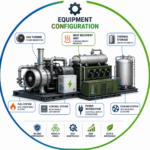
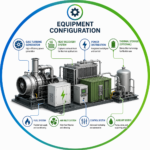
Power Unit: One ENN EGT20-R

A high-efficiency gas turbine unit designed for 100% domestic component reliability

Thermal Unit: Dual 1,900 kW Exchangers

Two flue gas/heat water heat exchangers configured with one active and one standby for maximum redundancy

13.91

Million kWh

Total annual power supply delivered by the system

3,224

Ton CO2

Total annual reduction in carbon emissions

RMB 3.5

Million

Annual energy cost savings realized by the customer

NOx <=

25 ppm

Ultra-low flue gas emissions 

Optimized Maintenance Cycle

The transition aliminated the need for annual boiler inspections, drastically increasing uptime

Thermal-Electrical Energy Security

Provided a stable, independent energy supply that mitigates utility grid volatility

Eliminating Operational Maintenance Downtime

This case demonstrates how distributed turbine generation can reduce dependence on aging boiler systems and provide a high-uptime alternative for mission-critical facilities. For AI data centers, the same approach supports resilient behind-the-meter baseload power, improves energy reliability, and helps minimize operational disruptions caused by maintenance downtime.